Jueteng: An In-Depth Look at the Controversial Numbers Game in the Philippines
Jueteng is a popular and illicit numbers game that has deeply rooted itself in the socio-economic fabric of the Philippines. While considered illegal by the Philippine government, its pervasive presence in the daily lives of Filipinos cannot be ignored. Often associated with corruption and controversy, jueteng has traversed beyond being a mere gambling activity to becoming a significant societal issue.
The Origins of Jueteng
Jueteng traces its roots back to the Spanish colonial era when it first emerged as a pastime activity. Its name is believed to have been derived from the Hokkien Chinese words "huet" for flower and "eng" for bet, reflecting its gambling essence. Over time, it adapted to the local culture and developed into a numbers game where players bet on a combination of numbers based on their beliefs, dreams, or previous results.
The Mechanics of Jueteng
The simplicity of jueteng makes it accessible to many Filipinos. Typically, players choose two numbers from 1 to 37 and place their bets through cobradores or bet collectors. The winning numbers are drawn randomly and, if matched, players receive a prize based on the amount they wagered. Its low entry cost and the lure of significant winnings with small investments have contributed to its widespread appeal.
The Socio-Economic Impact
Despite its illegal status, jueteng provides an unspoken economic benefit, especially in rural areas with limited job opportunities. For some, it offers a source of livelihood, enabling cobradores, cabos (who oversee collectors), and capitalistas (financiers) to earn revenue. However, it also perpetuates poverty cycles, as individuals often gamble money needed for essential goods in hopes of a big win.
Government Stance and Law Enforcement
The Philippine government has long grappled with the issue of jueteng, implementing measures to curb its prevalence. Efforts to enforce anti-gambling laws are often hampered by corruption within local authorities and politicians, who may benefit from its proceeds. As such, jueteng's embedded nature in the political landscape complicates its eradication.
A Case of Pervasive Corruption
Jueteng's existence is sustained not only by economic factors but also by systemic corruption. It's an open secret that some officials receive cuts from jueteng operations, a fact that consistently emerges during police investigations. This corruption creates a challenging environment for enforcing laws against the activity and subsequently prevents meaningful progress in its elimination.
A Deeper Cultural Connection
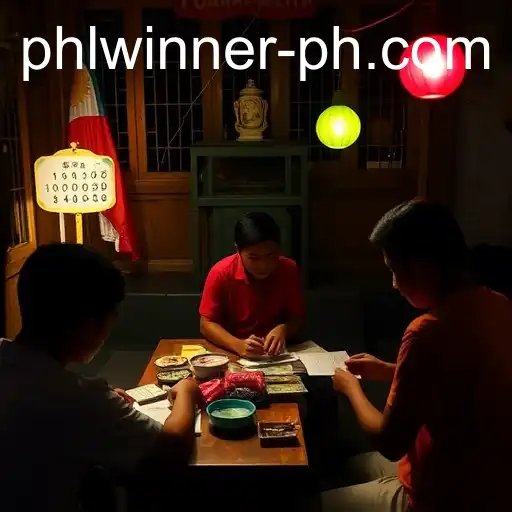
Beyond the economic and political entanglements, jueteng has found a place in Filipino culture. For many, it is more than a game; it is an established part of social interaction. Communities often gather to participate, and the game itself is ingrained in the social fabric, reflecting age-old practices of numerology and fortune-telling.
The Role of the Numbers Game in the Lottery Landscape
In contrast to jueteng, the Philippines Charity Sweepstakes Office (PCSO) runs legal betting games like the Philippine Lotto. While these provide an alternative, the appeal of the informal jueteng remains unrivaled, primarily due to its pervasive network and the immediacy of its draws. While initiatives like the STL (Small Town Lottery) aim to supplant jueteng, they often face skepticism due to persistent issues in transparency and allegations of misuse.
Attempts at Reform
The challenge of reforming jueteng lies in its deep societal roots. Some proposals have aimed at legalizing and regulating the numbers game, in hopes of both curbing corruption and capturing tax revenues. However, such solutions often elicit mixed reactions given the fear of normalizing illegal gambling and failing to address its core issues.
Jueteng and Media Representation
Media portrayal of jueteng often highlights its scandalous aspects, focusing on high-profile individuals allegedly involved in jueteng payola. This representation, while significant in exposing corruption, sometimes overshadows the stories of communities heavily reliant on jueteng as a form of sustenance or social activity. The complex dynamics of jueteng often require nuanced storytelling to understand its role in Filipino life.
The Risk and the Reality
For many Filipinos, jueteng represents a risky yet alluring hope for financial improvement, an instinct kept alive by socio-economic hardships. The 'phl winner' mentality, where individuals dream of becoming instant winners, underscores the cultural mindset that fuels jueteng's persistence. Whether it's the lure of an immediate financial boost or the thrill of a gamble, the survival of jueteng is assured by these enduring societal elements.
The Road Ahead
Addressing jueteng requires a multifaceted approach involving policy reform, community engagement, and education on responsible gambling. While eradication may seem an ideal goal, realistic strategies should focus on minimizing its adverse effects and providing alternative livelihood options. As long as systemic issues like poverty and corruption persist, jueteng will remain an enduring challenge for the Philippines.